24 January 2023

Proper Shoe For Martial Art Training

Before buying shoe for training, check it sole first.

Expensive price and famous brands are not guarantee that shoe will be useable for martial art training well. You must check the sole carefully.

Light and flat soled shoe is the proper design for fighting sport training. Doing a quick footwork, high kicking and balancing the body will be easier with light and flat soled shoe.


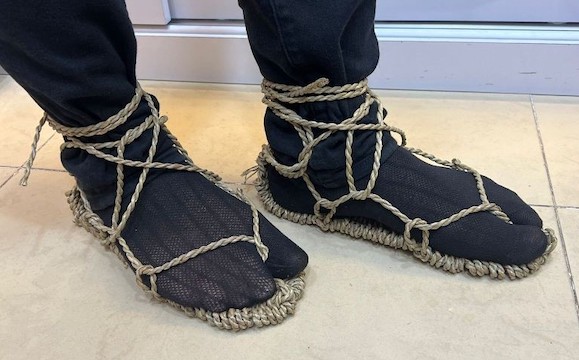
Alternative footwear for martial art training is strap sandal (sandal with strap) used by ancient warriors. This sandal model is still used by Silat, Kenpo and Karate communities today.

Strap sandal will not fly away when you doing kick, you can do any kicks you like. Honestly, training with strap sandal is more comfortable for me, it's much cooler than shoe because you don't need to wear sock (especially during hot weather, very helpful).




“What should i do if i was attacked on the street while wearing unproper footwear?”

Just do what japanese Samurai did, if they attacked by assassins on street while wearing wooden sandal (Geta), they throw away their sandal and fight barefooted like in Karate - Kenpo training.

If you’re unable to throw your sandal, then just use your punches, elbow strikes and pressure point strikes. Just like ancient middle eastern - african boxers did many centuries ago when they fight against bandits while wearing sandal and long dress (that is another reason why ancient Boxing only train hand techniques, because at that time there is no proper clothing and footwear which allow the fighters using high kicks).

How To Land The Foot After Kicking

There are 2 methods to land your foot after kicking:


How To Training Fighting Sport

Fighting sports are unique, they can be learned by everyone because they can be modified for non athlete people as aerobic - self defense training.

Most fighting sports like Boxing and Muay Thai are never use "Colorful Belts" rank system because their training syllabus are simple. Unlike in martial dance clubs (like Wushu Taolu and Karate Kata) which have more complex syllabus, fighting sports syllabus is far far fewer so they no need complex rank system.

Some schools like traditional Kenpo use very simple Mudansha (white belt / student) and Yudansha (black belt / teacher) belts just for identity at dojo.

1. Warming Up

Begin your training with stretching exercise slowly.


2. Basic Techniques Training

Train all your basic techniques in 10 counts repetition for each techniques slowly. Hitting the air too hard will hurt your elbow and shoulder joints so be careful.

Every martial art schools teach different basic movesets. For examples:


Once finished, take a short break for 30 or 60 seconds.

3. Advanced Techniques Training

Train 1 or 2 advanced movesets (depend on the students physical strength) in 1 training day. Train it carefully and don’t force it too much to avoid fatigue or injury.

Here some advanced movesets you can choose:

- Southpaw Stance
- Blocking
- Elbow & Knee Strikes
- Pressure Point Strikes
- Intercepting
- Trapping


Once finished, take a short break for 30 or 60 seconds.

4. Sparring Fight

High risk training for professional athletes only, sparring with classmates using proper body protectors. Professional athletes have organization / sponsor who always supporting their medical fees whenever they injured while sparring or fighting tournament.


5. Cooling Down 

End your training with cooling down slowly.